Fonda.co
- Research automation
- AI orchestration
- Generative web
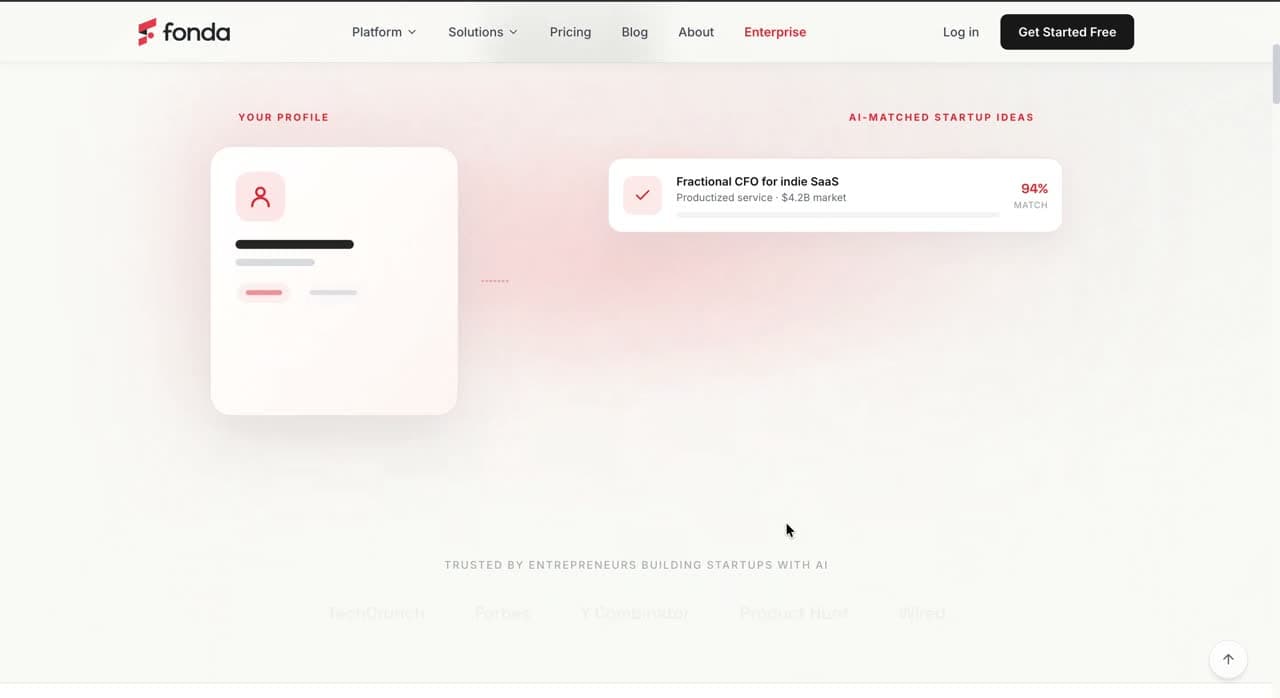
An AI-driven business intelligence and automation platform that turns a simple business idea into a full research report and a live website in minutes.
Who it was built for
Built for
Fonda.co
Sells idea validation to first-time founders — the market research a consultant would bill for, plus the website that idea needs to point at, on a subscription.
The brief
The promise is minutes, not weeks, so nothing in the delivery path could involve a person. If a founder waits two days for their report, the pricing stops working and the pitch stops being true.
What we delivered
The research engine
A live site, not a to-do list
Visible progress
Billing on day one
Where the growth comes from
Speed is the product
One order, two deliverables
Margin survives volume
The business analysis
Fonda sells the thing founders are worst at buying: proof that nobody wants their idea. The commercial question is therefore not whether the research is good. It is whether a product can charge for validation at a price a pre-revenue founder will pay, and still cost almost nothing to fulfil. That only works if no human touches the order — which is why the interesting decisions in this build are all about what happens with nobody watching.
- CMS market share held by WordPress
- 60.7%
Source · W3Techs data, October 2025, reported by Search Engine Journal
- Deliverables per order
- 2
Model · Counted from the delivered scope in this case study.
- People in the delivery path
- 0
Model · Architectural claim, verifiable from the build: no step in the pipeline blocks on human input.
The market it sells into
Validation is a hard category to sell because the buyer has no budget and no patience, and because the incumbent alternative is free — a founder can read six competitor websites and convince themselves. What makes it a market at all is that the free version does not work. CB Insights' analysis of startup post-mortems puts poor product-market fit behind 43% of failures, second only to running out of capital at 70%, which the firm notes is usually the last cause rather than the root one 1.
Why startups fail, by share of post-mortems
CB Insights notes this is normally the final cause, not the root one.
The failure a market report is meant to catch before the money is spent.
Why the second deliverable matters more than it looks
Shipping a website alongside the report looks like scope creep. Commercially it is the most important decision in the product, because it changes who the buyer is. A report alone sells to founders — a population with no money, bought from once. A report plus a live site sells to consultants and agencies, who resell both under their own name, buy repeatedly, and have a budget line for it already.
The site is a WordPress build for one reason: it is the only CMS a reseller can hand to a client without explaining anything. W3Techs data for October 2025 put WordPress on 43.3% of all surveyed websites and 60.7% of those running an identifiable CMS 2. Generating something more elegant and less familiar would have made the deliverable harder to hand over.
Who an order can come from once there are two deliverables
- Repeat purchase, existing budget, and the research sits at the front of every engagement they run.
- Need a defensible document in an afternoon; margin comes from what they charge on top.
- The emotional buyer. Low willingness to pay, and usually one order.
- Buying the dataset rather than the deliverable.
Model · Our weighting of the four audiences documented in this case study by repeat-purchase potential. Illustrative — no customer mix data was shared with us.
The unit economics the pitch depends on
The whole argument for this product is that gross margin does not decay with volume. That is worth stating as arithmetic rather than as a claim, because it is falsifiable: the marginal cost of an order is the cost of the model calls, the generated imagery, the storage and the provisioned hosting, and none of those scale with headcount.
| Cost line | Behaviour as volume rises | Who absorbs it |
|---|---|---|
| Model inference and imagery | Linear per order, and falls per unit as model prices fall | Variable — the real cost of goods |
| Storage and file delivery | Linear, and small relative to inference | Variable |
| Provisioned hosting per site | Linear, and recoverable in a subscription rather than the one-off fee | Variable, ideally passed through |
| Analyst time | Zero. Not reduced — absent | — |
| Developer time per order | Zero. Provisioning is a job, not a ticket | — |
The engineering problem is patience, not intelligence
Research and deployment take minutes, and minutes is a long time to stare at a loading state. The failure mode for this product is not a bad report. It is a customer who refreshes at ninety seconds, assumes it has broken, and asks for their money back. That is why progress streaming is in the delivered scope alongside the research engine: it is a refund-prevention feature dressed as a UI detail.
The stack, by responsibility
Dashboard and intake
- Next.js 14
- React 18
- TypeScript
- Tailwind CSS
- Clerk
Report rendering
- Recharts
- Maplibre GL
- Runware imagery
Job orchestration
- Node.js
- Express
- Socket.io
Data and artefacts
- MongoDB
- Mongoose
- AWS S3
- Azure Blob Storage
Fulfilment integrations
- NewebAI WordPress API
- Generative AI SDK
- Stripe
One order, from four answers to a URL
Four questions about the idea
Research job dispatched
Progress streams to the dashboard
Report assembled
Provision the site?decision
- ↳ Subdomain taken → alternative claimed
- ↳ Install fails → retried, order stays open
- ↳ Copy generation fails → site ships with placeholder sections
Artefacts written to storage
A report and a working URL
What we would watch
| Risk | Why it bites | Early indicator |
|---|---|---|
| Research credibility | The report is sold as evidence. One founder who checks a figure and finds it wrong discounts the entire document, and says so publicly | Support conversations that argue about a specific number rather than the conclusion |
| Provisioning fragility | Five chained external steps mean the site is the least reliable half of the order, and it is the half the customer shows people | Orders completing with a report but no live URL |
| Reseller channel conflict | Agencies are the repeatable buyer, but they are reselling a product whose own brand is on the deliverable | Requests for white-labelling arriving before requests for features |
References
- 1.Top Reasons Startups Fail · CB Insights
- 2.Top 10 Content Management Systems (W3Techs data, October 2025) · Search Engine Journal
- 3.Usage statistics and market share of content management systems · W3Techs
Idea to live site, one sitting
Describe the idea
Four questions. No brief, no kickoff call, no onboarding queue.
Research runs
Market size, competitors and demographics are gathered and written up.
The report lands
Charts, maps and industry imagery, formatted to put in front of an investor.
The site goes up
Provisioning claims a subdomain and fills a WordPress build with copy about that specific business.
Handover
The founder leaves with a report and a working URL.
Who it is for
Founders validating an idea
Consultants and strategists
Marketing agencies
Analysts
Reference
Recommended case studies

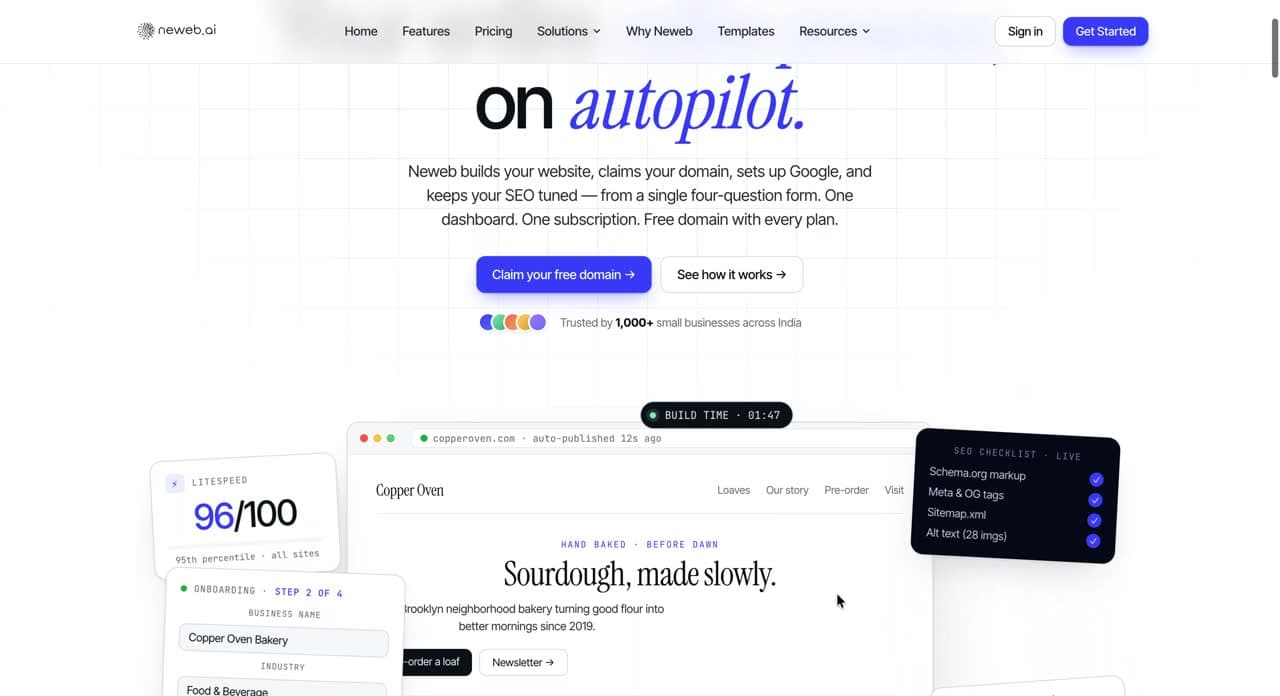
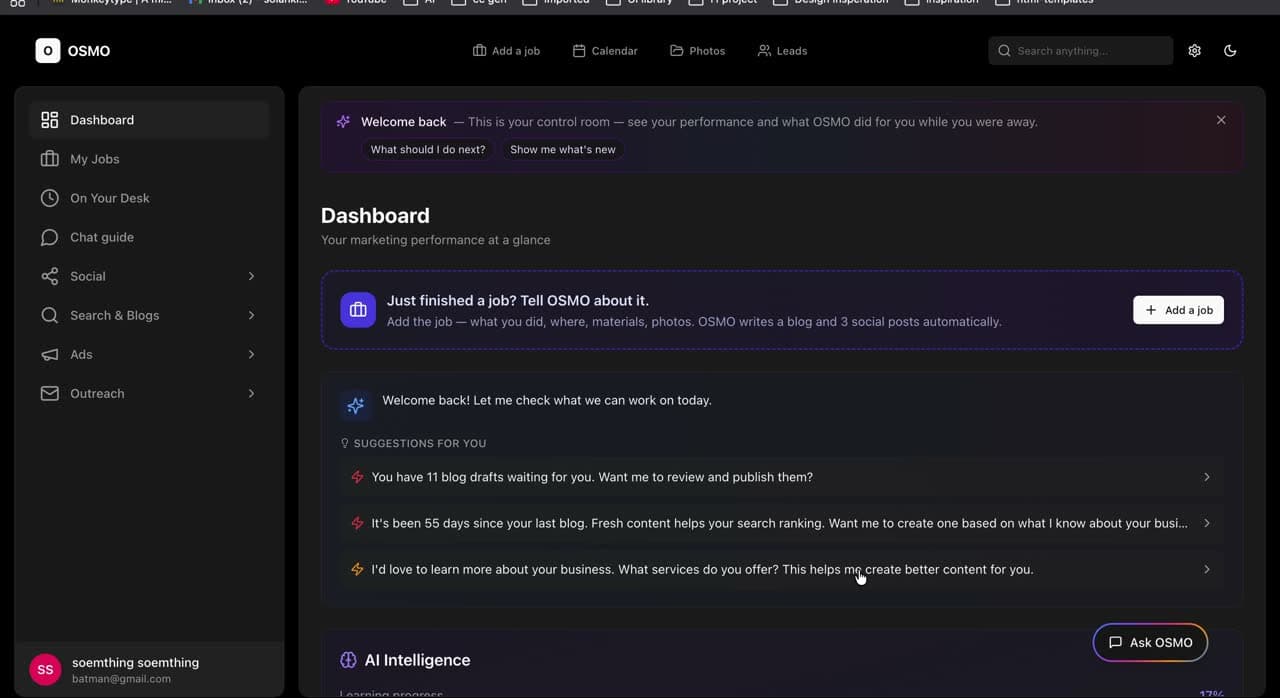

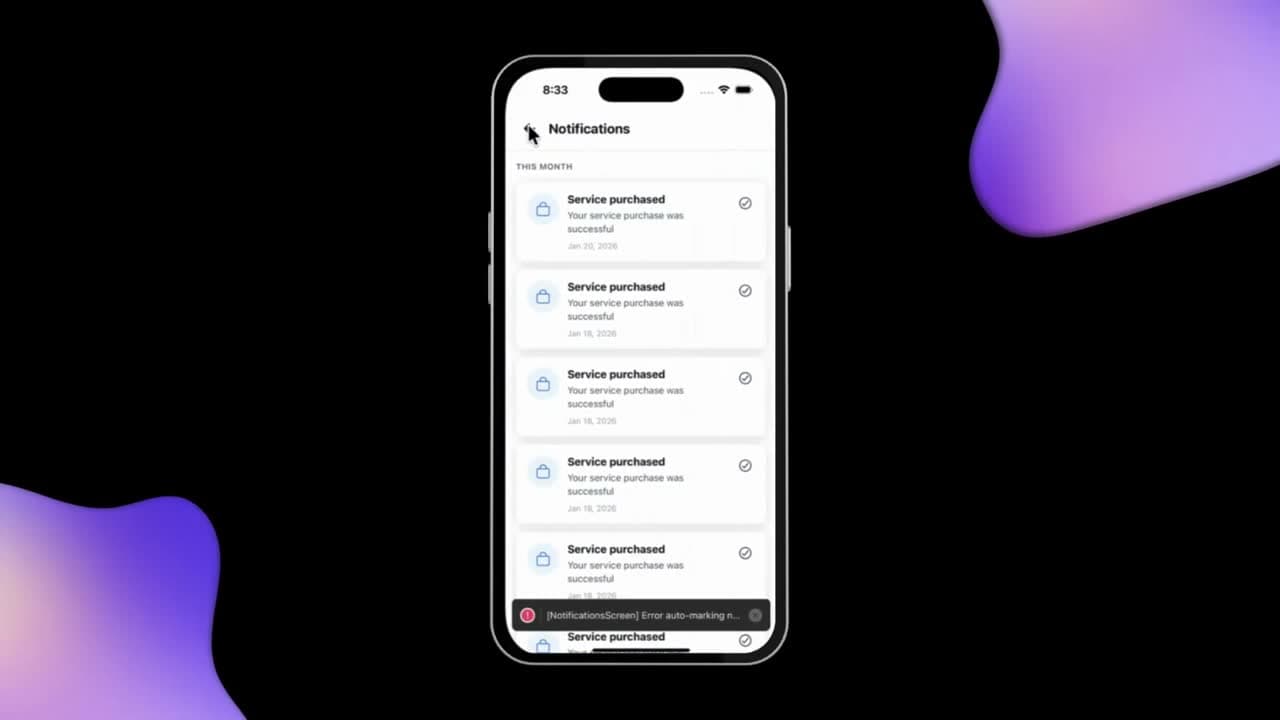
Want the version of this built for your business?
Fifteen minutes with the people who shipped it. No deck, no account manager.