Candidate App
- Mobile app
- System design
- Real-time sync
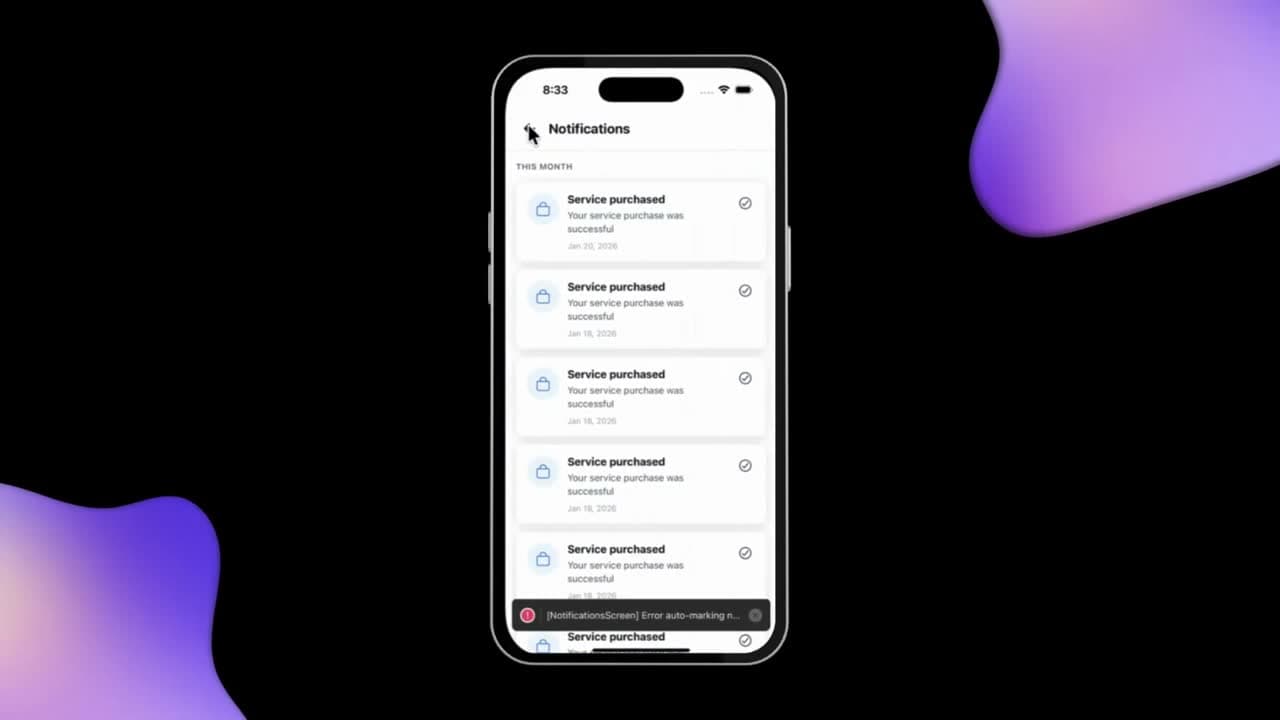
A mobile hub for career advancement, resume optimisation and specialised technical mentorship, bridging candidates and industry experts.
Who it was built for
Built for
The North Tech Labs
A career services company. They coach job seekers through resume and LinkedIn optimisation, mock interviews and technical mentorship, and sell that help as packages.
The brief
The business ran on people: a specialist, a candidate, and a long thread of email in between. We built the app that turns those services into something a candidate buys, works through and can see progress on, and that a mentor can deliver to many candidates at once.
What we delivered
The whole app, both stores
Services turned into products
Dashboards and charts the candidate can read
A mentor's working queue
Payment inside the app
Where the growth comes from
Buying happens at the moment of intent
One specialist covers more candidates
Visible progress sells the next package
The business analysis
The North Tech Labs already had a working business. What it did not have was a business that could grow, because every unit of revenue required a specialist's hours and a long email thread to coordinate them. The app is an attempt to convert a services company into a product company without changing what it sells — the same resume reviews and mock interviews, packaged so that a candidate can buy one at eleven at night and a mentor can deliver forty of them in a week.
- Resume writing services market, 2025
- $2.49bn
Source · The Business Research Company, Resume Writing Service Global Market Report
- Career coaching services market, 2025
- $3.09bn
Source · Verified Market Research, Career Coaching Service Market
- Services turned into products
- 4
Model · Counted from the delivered scope in this case study.
- Codebase, two app stores
- 1
Model · Architectural fact, from the build described in this case study.
Two markets, and the app moves customers between them
Career services split into a low-value, high-volume category and a high-value, low-volume one. Resume writing is the first: a $2.49bn market in 2025, forecast to $3.64bn by 2030 at a 7.9% compound rate 1. Coaching and mentorship is the second: $3.09bn in 2025, forecast to $6.80bn by 2033 at 11.2% 2. Both sit inside a recruitment technology market valued at $15.18bn in 2025 3.
The two categories North Tech Labs sells into, USD billions
- $2.49bn
- $3.64bn
- $3.09bn
- $6.80bn
- Resume 2025
- Resume 2030
- Coaching 2025
- Coaching 2033
Hollow columns are the published forecast, not a measurement.
Source · The Business Research Company (resume writing) and Verified Market Research (career coaching)
The constraint was never demand, it was coordination
Every service North Tech Labs sold worked. The ceiling was that each one arrived as an email, was scoped in a reply, delivered as an attachment, and reviewed in another thread. Coordination cost is invisible in a services business because it is never invoiced — it just quietly determines how many candidates a specialist can carry.
Where a specialist's hour went before the app
- Scoping over email, chasing attachments, agreeing times, confirming what was already agreed.
- The only part the candidate is paying for.
- Tracking who bought what and whether it was delivered.
- Quoting, invoicing and following up on unpaid work.
Model · Our apportionment of the manual workflow this case study describes replacing. Directional, and not measured at the client.
Buying at the moment of intent
A candidate decides their resume is the problem at a specific moment, usually after a rejection. Under the old model that moment produced an enquiry, and the enquiry produced a quote, and the quote arrived after the feeling had passed. Stripe's React Native SDK with multi-currency support is in the build because the distance between deciding and paying is the single largest leak in a services funnel.
| Step | Under the old model | In the app |
|---|---|---|
| Scope agreed | A reply, some hours later | Stated on the product screen, before the decision |
| Price given | A quote, negotiated | Fixed, visible, and the same for everyone |
| Payment taken | An invoice, then a chase | At the moment of intent, in the candidate's own currency |
| Delivery tracked | An email thread nobody can audit | A task list with uploads and deadlines |
| Progress shown | Asserted in a call | Drawn on a dashboard, and it points at the next purchase |
What a candidate actually does
Onboard
Buy a service
- ↳ Multi-currency at checkout, so an overseas candidate pays in their own
Work the tasks
Submission revieweddecision
- ↳ Needs rework → task reopened with feedback
- ↳ Candidate goes quiet → deadline and reminder, not a chase email
Progress moves, and points somewhere
The stack, by responsibility
Client
- React Native
- Expo SDK 54
- TypeScript
- Tamagui
Client state
- Zustand
Records
- Node.js
- Express
- REST
Live layer
- Socket.io
Commercial services
- Clerk
- Stripe React Native SDK
- EAS
What we would watch
| Risk | Why it bites | Early indicator |
|---|---|---|
| Specialist supply, not demand | Productising the service makes it easy to sell more than the mentor bench can review. The queue becomes the product experience | Review turnaround lengthening while purchase volume is flat |
| Store dependency on payments | In-app purchase policy for digital services is contested and changes by platform; a ruling here moves gross margin directly | Store review friction on the purchase flow rather than on features |
| Progress as vanity metric | A profile-strength score that does not correlate with getting hired is discovered eventually, and it is the thing selling the upgrade | Candidates completing every task and disputing the outcome |
References
- 1.Resume Writing Service Global Market Report · The Business Research Company
- 2.Career Coaching Service Market — size, growth, trends and forecast · Verified Market Research
- 3.Online Recruitment Technology Market · Fortune Business Insights
What a candidate does
Onboard
Sign in, set a target role and a goal.
Buy a service
Scope, price and delivery time are in the app, not in a reply.
Work the tasks
Each service becomes a checklist with uploads and deadlines.
Get reviewed
A specialist marks the submission and answers in chat.
Watch it move
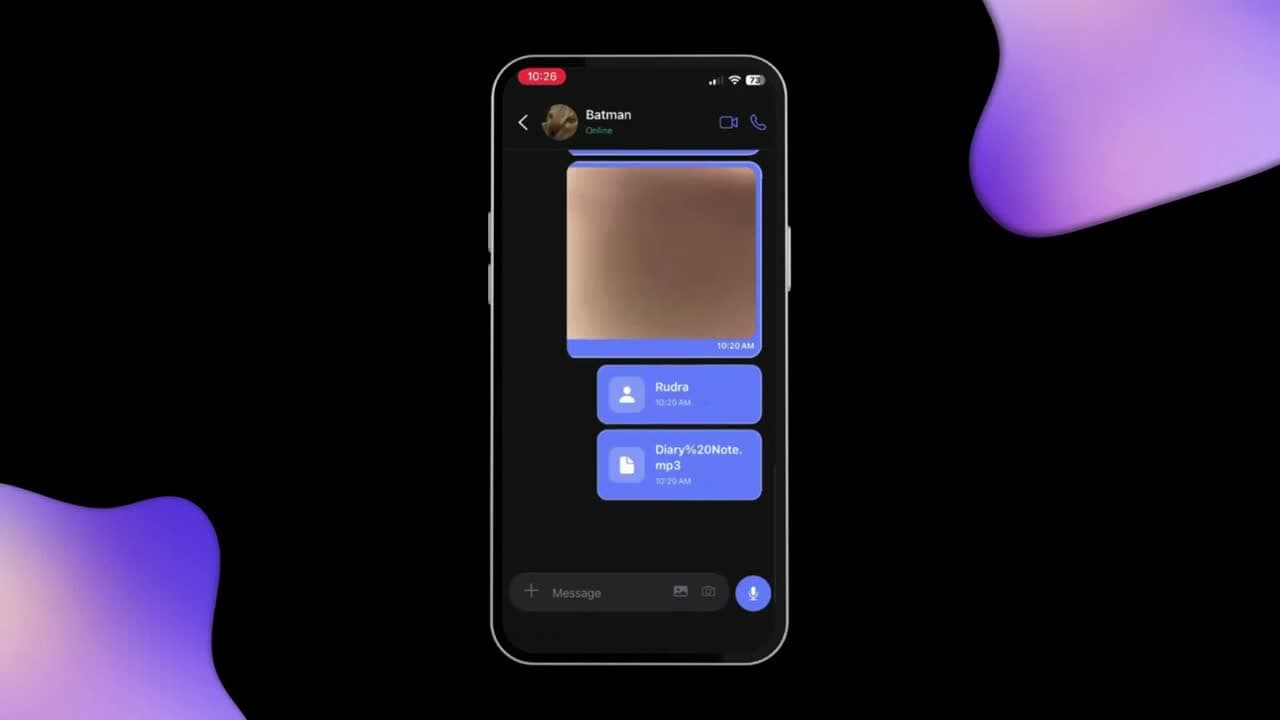
Charts track profile strength and completion, and point at the next step.
Who it is for
Job seekers
Career switchers
Mentors and specialists
Reference
Recommended case studies

Want the version of this built for your business?
Fifteen minutes with the people who shipped it. No deck, no account manager.