SLC
- UI/UX case study
- Real-time architecture
- Hybrid serverless
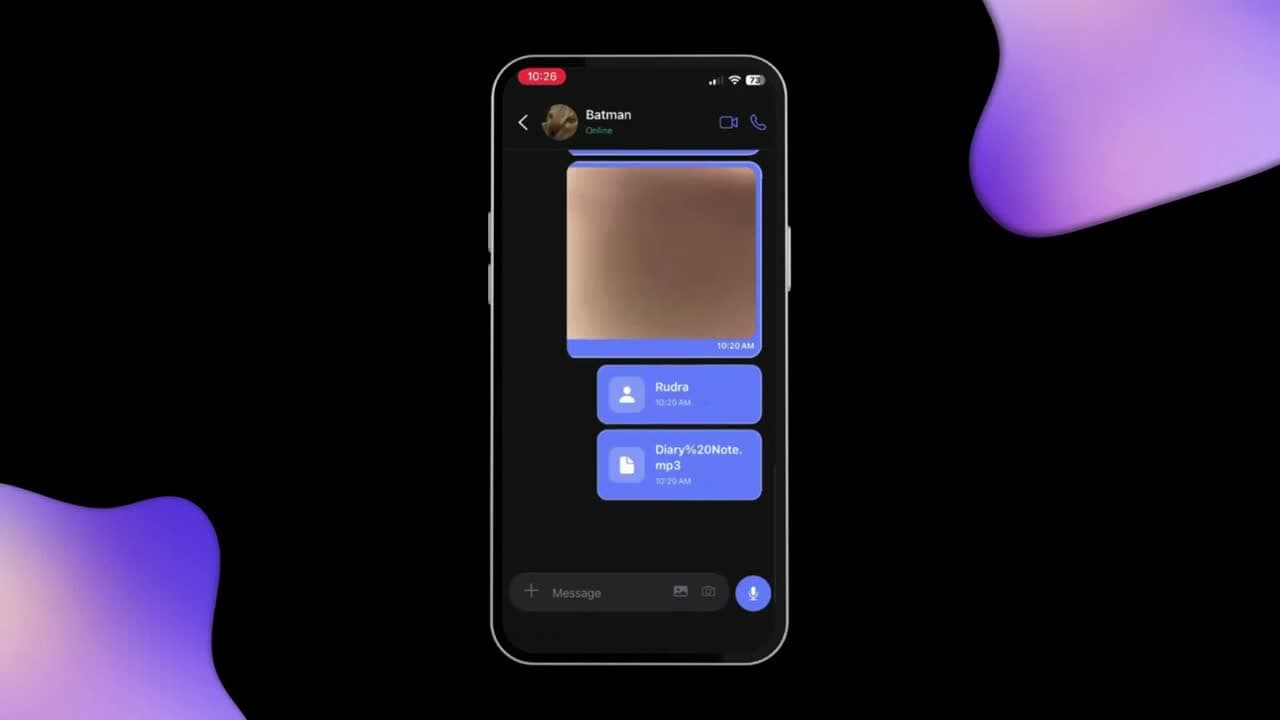
A communication suite with secure real-time messaging, high-fidelity video conferencing and VOIP-to-PSTN world calls.
Who it was built for
Built for
SLC
A communication suite for privacy-conscious users and small teams. Messaging and video are free; calling real phone numbers anywhere in the world is the paid part.
The brief
Chat and video are table stakes and cost money to run, so the business rests on World Calls — VOIP out to landlines and mobiles. That means credit accounting has to be exact and calls have to connect on the first try.
What we delivered
Messaging that feels instant
Video and voice that hold up
Credit accounting that cannot drift
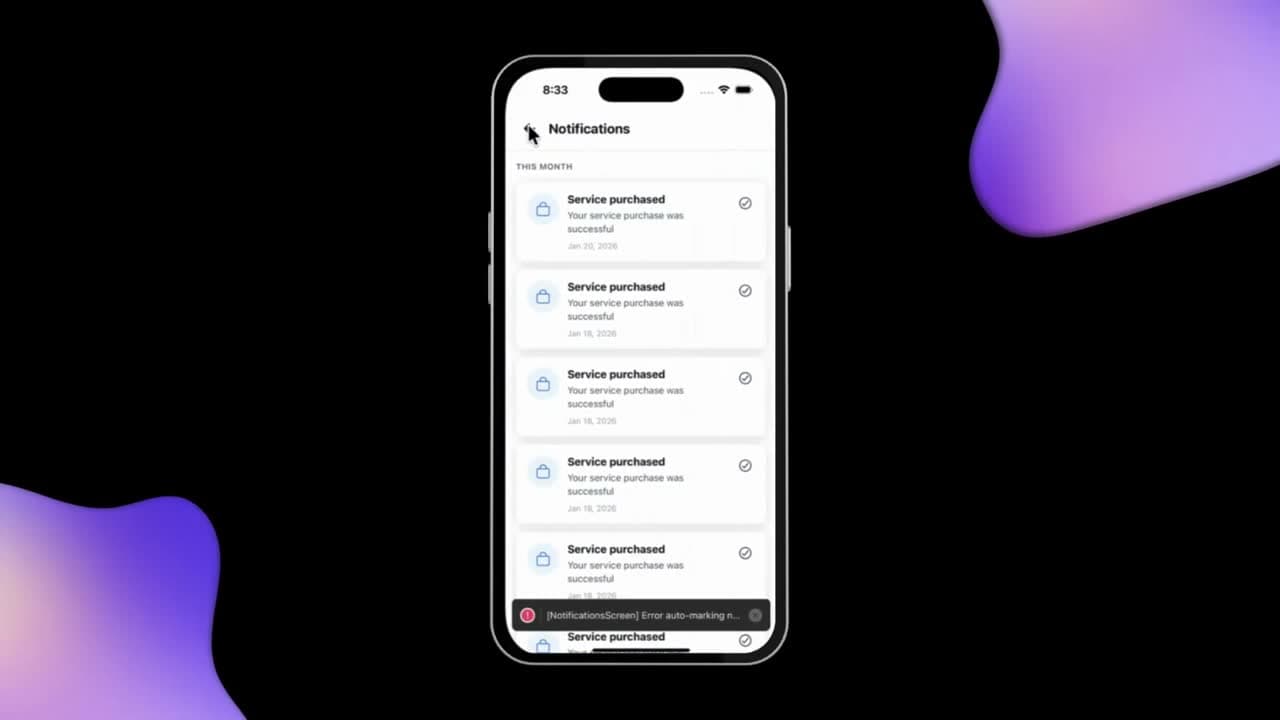
Notifications that arrive
Where the growth comes from
The paid feature reaches the real world
Credits, not seats
Delivery is retention
The business analysis
SLC gives away the two features people compare messaging apps on and charges for the one nobody advertises: dialling an actual telephone number. That inversion is the whole business, and it puts an unusual amount of commercial weight on plumbing. Free chat and video are a cost centre that buys distribution. World Calls is the revenue line, and it fails commercially not when a call sounds bad but when the credit ledger disagrees with the user about what they were charged.
- Wholesale voice carrier market, 2025
- $40.26bn
Source · Mordor Intelligence, Wholesale Voice Carrier Market
- Share of wholesale voice carried over IP
- 71.3%
Source · Mordor Intelligence, Wholesale Voice Carrier Market
- Of the VoIP services market is international long distance
- 60.1%
- Independent push delivery paths
- 2
Model · Counted from the delivered scope in this case study.
The paid feature sits in the one part of telecoms still growing
Messaging is a commodity and video conferencing has been free since 2020. What is not free is terminating a call onto the public telephone network in another country, and that market is neither small nor shrinking. Mordor Intelligence puts the wholesale voice carrier market at $40.26bn in 2025, rising to $68.61bn by 2030 at an 11.25% compound rate, with VoIP already carrying 71.3% of wholesale voice in 2024 1. International long distance accounted for 60.1% of the VoIP services market in the same year 2.
Wholesale voice carrier market, USD billions
- $40.3bn
- $68.6bn
- 2025
- 2030
Hollow columns are the published forecast, not a measurement.
Source · Mordor Intelligence, Wholesale Voice Carrier Market
Why the billing code is the most important code in the product
In a prepaid product, a billing defect is not a bug. It is a refund queue, a chargeback, and a one-star review that mentions the word "stolen". Cloud Functions initiate each PSTN call and deduct credit atomically, which is the correct architecture for exactly one reason: the deduction and the call must not be able to disagree.
| Failure mode | What the user experiences | Commercial consequence |
|---|---|---|
| Credit deducted, call never connected | Money taken for nothing | Refund, and a review that costs more than the refund |
| Call connected, credit not deducted | A free call | Silent margin leak, discovered at reconciliation |
| Deduction applied twice | Balance drains faster than expected | The most damaging of the three, because it looks deliberate |
| Push notification not delivered | A message that never arrived | Not a billing fault, but it is why the app gets deleted before credit is ever bought |
Where the engineering risk sits, weighted by commercial damage
- The only component whose failure produces a refund and a public complaint.
- Determines whether the app is opened daily, which determines whether credits are ever purchased.
- Sets whether the app feels like the one the user left. Retention, not revenue.
- Expected, expensive, and rarely the reason anyone switches apps.
Model · Our weighting of the four capabilities documented in this case study by the cost of their failure. Judgement, not measurement.
One thread, three modes
The product's design argument is that chat, video and a real phone call are the same conversation at different intensities. Commercially, that is a funnel: the free mode is where the user lives, and the paid mode is one tap away at the moment they need it.
From a free message to a billed minute
Encrypted chat
Escalate in place
Dial a real numberdecision
- ↳ Insufficient credit → top-up prompted before dialling, never after
- ↳ Termination fails → no deduction, and the user is told why
Top up
Notified, and still installed
A hybrid serverless split, and why it is drawn this way
Client
- React Native 0.81
- Expo 54
- TypeScript
- Zustand
Real-time data
- Firebase Realtime Database
Trusted server logic
- Firebase Cloud Functions
- Firestore
Media and telephony
- GetStream Video SDK
- Twilio Voice
- Twilio Video
Identity and delivery
- Firebase Auth
- FCM
- Expo push
What we would watch
| Risk | Why it bites | Early indicator |
|---|---|---|
| Termination rate exposure | Gross margin per minute is set by wholesale rates SLC does not control, and rates move by destination | Margin per minute drifting on specific country prefixes rather than overall |
| Fraud on prepaid balances | Credit-based calling is a standard target for traffic pumping and stolen-card top-ups; both convert directly into loss | Top-up volume concentrated on a small number of expensive destinations |
| Free-tier cost outrunning top-ups | Messaging and video cost money per active user whether or not they ever call a phone number | Infrastructure cost per active user rising while top-up frequency is flat |
References
- 1.Wholesale Voice Carrier Market — size, share and trends · Mordor Intelligence
- 2.VoIP Services Market — size, share and growth trends · Mordor Intelligence
One tap between three modes
Chat
Encrypted messaging with presence and typing state.
Escalate
The same thread becomes an HD video or audio call.
Dial out
Call a landline or mobile anywhere, billed against credits.
Top up
Credits added in-app, deducted per call as it connects.
Who it is for
Privacy-conscious users
Travellers and expats
Small teams
Reference
Recommended case studies
Want the version of this built for your business?
Fifteen minutes with the people who shipped it. No deck, no account manager.