SaaS product studio: idea to production, on a fixed date
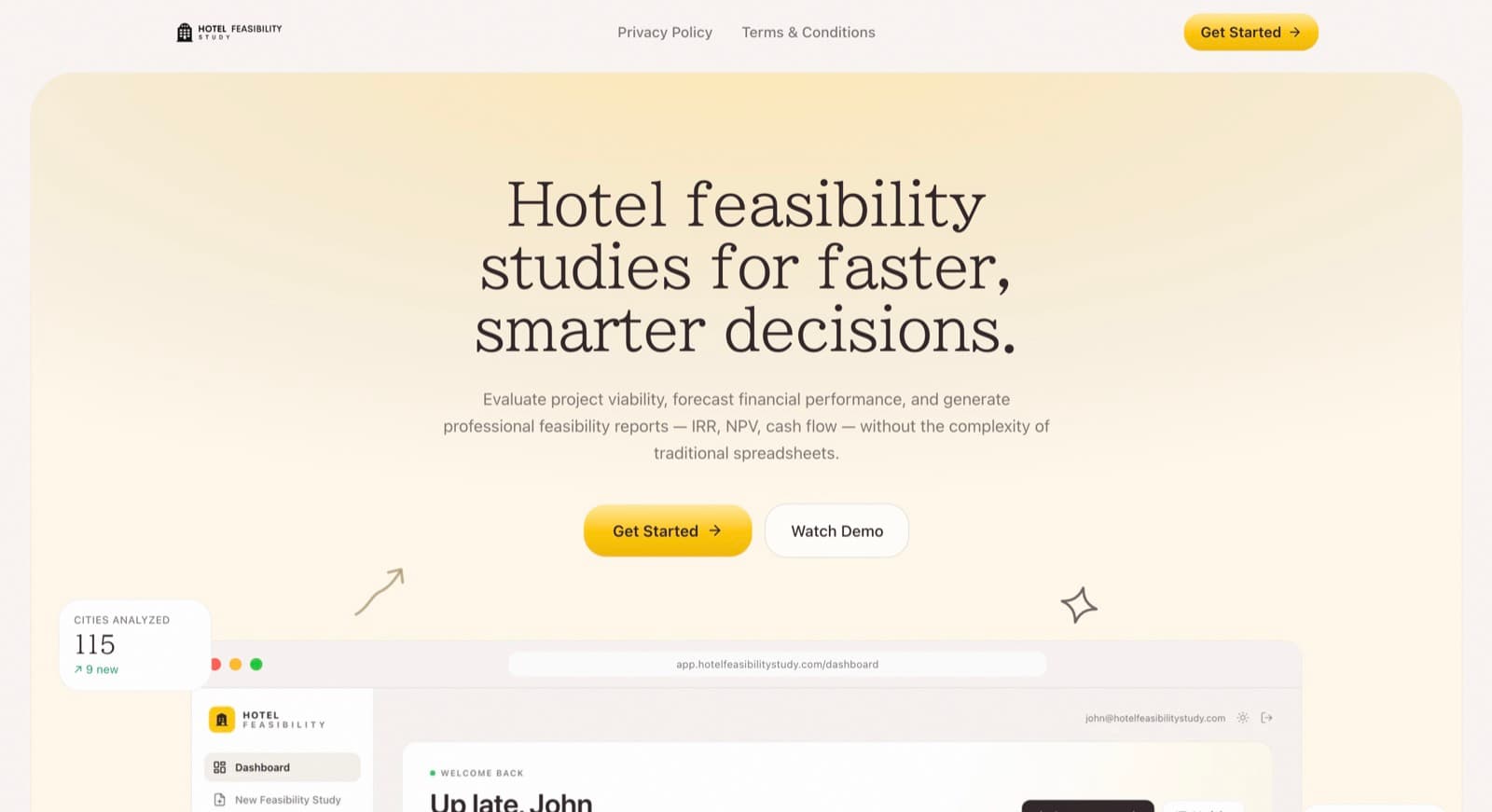
A new product line is the hardest thing a B2B company builds, because it needs design, engineering and go-to-market to arrive at the same time. We are the team that carries all three.
What you end up with
- A first working version in weeks, not quarters
- Architecture that survives the second thousand accounts
- One team for design, build and launch — nothing lost in a hand-off
- A written plan for the first hundred customers, not just a login screen
Start here
The short answer
Smeron's SaaS product studio takes a B2B software product from idea to production under one accountable team: product design, scalable cloud architecture, the build itself, and the go-to-market plan for the first hundred customers. Engagements are scoped to a fixed price and a fixed delivery date, the first working version ships in weeks rather than quarters, and the client keeps full ownership of the codebase and the infrastructure it runs on.
What you get
Product definition
MVP to production
Scalable cloud architecture
Design system
Go-to-market playbook
Handover and documentation
Stack
Who this is for
A good fit when
- You know who the first customers are and roughly what they would pay, because that is what makes a scope cuttable.
- There is one person on your side who can decide, quickly, without a committee.
- You want one team for design, build and launch rather than a hand-off between three vendors.
- You are building a new line for an existing business, or a first product with real distribution behind it.
Not a good fit when
- The idea is still being validated. Spend the money on ten customer conversations first; they are cheaper and they change the scope more than we would.
- You want a technical co-founder in exchange for equity. We build for a fee, and an agency is a bad substitute for a founder.
- The plan requires the full product before anyone can pay. If nothing smaller can be sold, the scope is not an MVP.
- You need the cheapest possible build. Senior-only teams are not the cheapest, and pretending otherwise wastes both sides' time.
How the engagement runs
Scope and architecture
We cut the idea down to the version that can be launched, then write the data model, the integration surface and the delivery date before the first commit.
Build and launch
Weekly working builds on a real URL. Design and engineering are the same engagement here, so a change to the flow does not become a two-week ticket queue.
Growth and scale
Instrumentation, the first outbound sequences and a monthly release cadence. The launch is the start of the engagement, not the end of it.
What it costs
Tell us the product. We will tell you the number and the date.
Custom product build
Priced to the idea
Idea to production under one team. Design, engineering and launch are the same engagement, so nothing is lost in a hand-off.
The first thing scoping does is cut the build down to what can actually be sold.
Monthly product pod
Month to month
After launch, or when the roadmap is still moving. A release cadence rather than a single delivery date.
What moves the number
- How much of the product has to exist before someone will pay for it. This is the biggest lever by a distance, and it is the first thing scoping attacks.
- Web only, or web plus a mobile app. A second client is a second surface to build, test and release.
- Account foundations — auth, roles, billing, audit trails. Nobody asks for them and B2B cannot ship without them.
- Third-party integrations, each of which is governed by someone else's API and someone else's uptime.
A product studio vs assembling the team yourself
| Compared on | Product studio | Freelancers + your own management |
|---|---|---|
| Hourly cost | Higher. A senior team carries a senior rate. | Lower, sometimes considerably. This is a real advantage. |
| Who integrates the work | We do. Design, frontend, backend and infrastructure are one engagement. | You do, and it is a part-time job at minimum. |
| Accountability when it slips | One team, one date, one number. | Distributed. Each contractor is right about their own part. |
| Go-to-market | Positioning, pricing and first sequences run alongside the build. | Not included. It is a separate hire or it does not happen. |
| Ramp | Team already works together; no time spent forming one. | You are forming a team while also shipping a product. |
| When it is the right call | No technical leader with spare capacity, and a date that matters. | You have a hands-on CTO, a clear spec, and time to manage. |
Work we have shipped
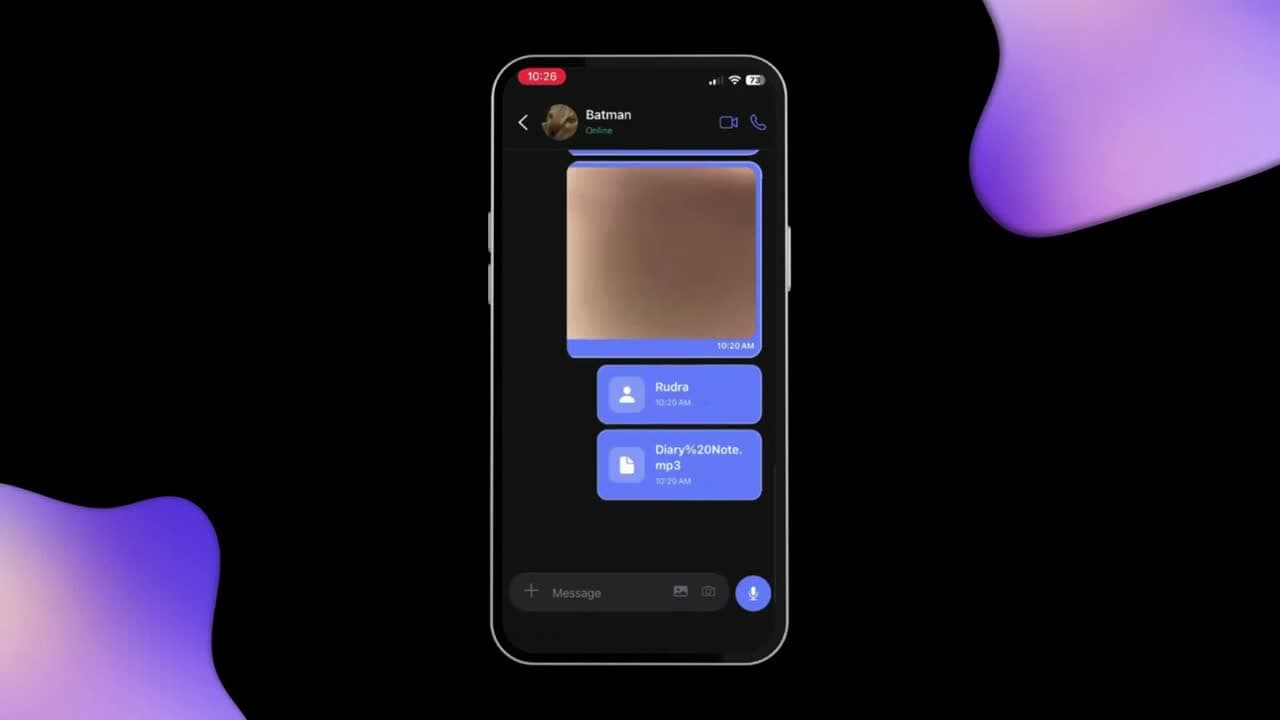
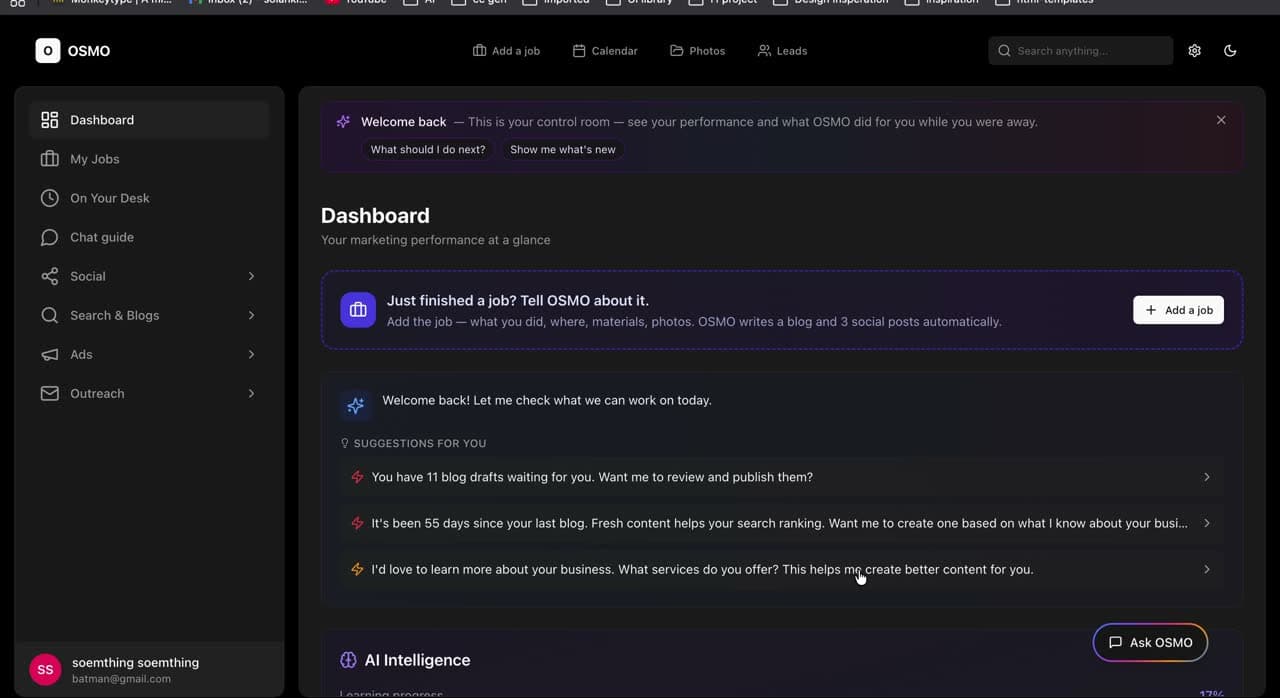
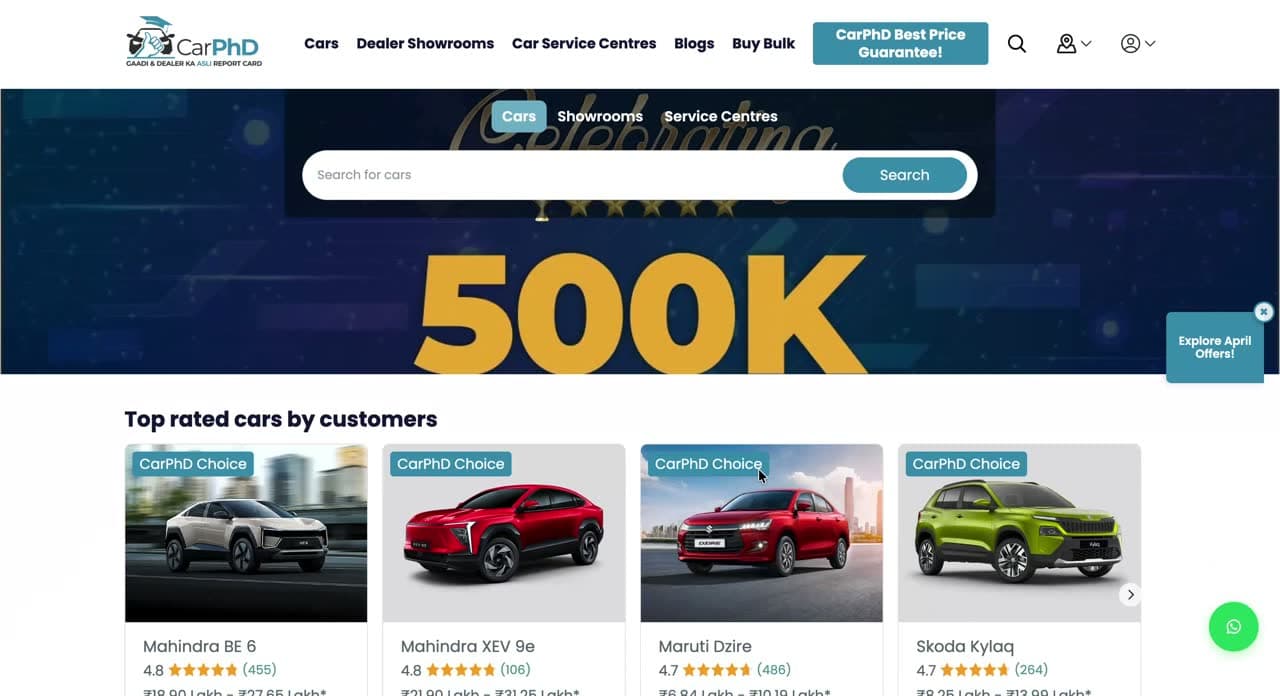
Written in depth
Questions we get asked
The other three
Fifteen minutes, then a written scope with one number on it.
You talk to the people who would do the work, not an account manager. No deck.